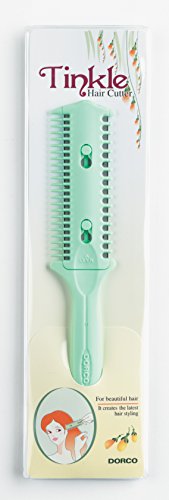
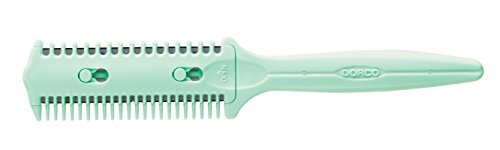


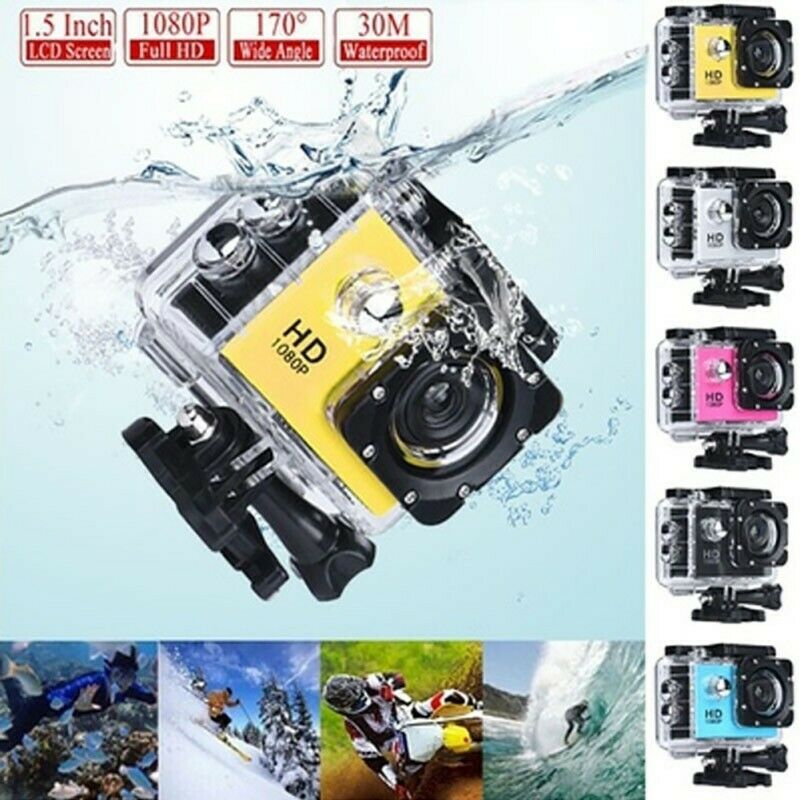
D123 Tinkle hair cutter.
-

Prof. Kurtis Mante
11-12-2024I bought three different razor combs and have given each of them a test run. The three were Diane Tinkle Hair Cutter (DTHC),the Diamond Edge Platinum Hair Shaper (DEPHS) and the Seki (most expensive). I liked the DTHC for the following reasons: It was the least expensive of the three and, in comparison to the Seki, it's an excellent product for the price. However, it is plastic, which doesn't seem to be too sturdy. The Seki has variable settings and the DTHC has two edges, one on either side. In the vendor's picture, you will notice that the Diane Tinkle comb (DTHC) has two notches along the center of the comb; those notches are the tracks to open the comb to change the blades. I have feminine hands with arthritis and the comb was fairly easy to open. If I have a problem opening the unit, I insert an ice pick into one of the notches to help me glide the comb's cover. I couldn't open the Seki. And, unlike the Seki, the DTHC's two double edge blades are positioned vertically, making the cutting edge two times longer than the Seki. Both of these cutters use regular double edge blades, have two cutting edges (one on either side), and although I probably won't use them in my lifetime, I purchased 500 blades for less than ten dollars from an Amazon vendor. The way the blades are positioned within the Seki, only one edge of each blade is exposed for use; with the DTHC comb, both edges are exposed (one is for a short cut and the other is for a longer cut). I recently tried the Diamond Edge Platinum cutter (DEPHS), it has interchangeable heads and a blade that I can replace very easily with my arthritic hands, even easier than the DTHC. However, the length of the cutting area is about 25% shorter than the DTHC comb, and that blade's design is a single edge blade with a unique length, given that it is 50% longer and also narrower than normal single edge blades. If and when the user needs a blade replacement for the DEPHS comb, that factor may be a problem. And, although the DEPHS has different heads, they all appear to be the same height, but designed with different angles and increasingly wider spacing between the teeth. I chose a head that had about 1/4 inch space and was satisfied with the cut until I realized that I had accidentally knicked myself in a few places, including my ear. I may have positioned the blade at a wrong angle. The blade is so sharp that I didn't feel a thing, but I did notice the drop of blood on my ear and later felt a couple of stings on my scalp. I finished the cut with the Diane Tinkle comb because it hasn't hurt me yet.The more I use the DTHC, which is about once a week, the more I like it. I've had it for about four months, and I haven't replaced the blades yet; I simply clean and reinsert them. I notice that it works best on dry, clean hair. I suggest that after you get a barber or salon cut, maintain the length by using the DTHC periodically.None of these razor combs is going to give you a salon style cut. They make uneven cuts,and the Seki and the Diamond Edge Platinum Tip tend to pull the hair at times. With the bad winter, I didn't cut my hair during the duration of the season and when I went to get a cut, both the hair salon and the barber shop had gone out of business. My solution was to give myself my first haircut; I grabbed a Fiskars Softouch scissors (another excellent product) and proceeded to fill my small paper trash can with hair. Then I grabbed the Seki to finish the job (razor combs don't work well near the ears, so you may need a trimmer for that kind of work).The combs don't come with instructions, so I start at the back of the neck and work my way north and forward as I try to follow the hair's natural directional growth. I have thick, wavy hair and I didn't have a problem with any of these products' ability to cut. In the end, I was satisfied that I had a short cut and hair that washes with less effort, but it's definitely not a designer style and it's something that I can live with. A couple of weeks later, I did the second trim with the Diane Tinkle Hair Cutter, which I now use once a week, as I mentioned earlier.
-
Greta Bernier
11-12-2024My original review, of many years ago: "My wife keeps my hair trimmed with this economical little gadget. It's so perfect that I haven't been to a barber in over a year. Another nice feature: the regular, double-edged blades can be changed without injuring yourself."UPDATE 08.15.20: After another night of home barbering I want to weigh in again in support of this product. I wouldn't bother but for the fact that, as COVID-19 continues to ravage the U.S., barber shops and hair salons are now operating at different levels of customer safety. I have no desire to put any honest, hardworking professional out of business, but I do want to address some of the concerns and criticisms that have been made of this product.1. "It's cheap." Well, yes. It's very economical and has been inexpensively produced in hard plastic. I'm sure the manufacturer intended that it probably be used for light trimming of bangs. However—and here's the value of the product for me—it can be used to cut a whole head of hair, male of female, IF your hair is not very long. My hair is quite thick but in length what I would call "a regular American cut": neither skinhead nor down to my shoulders. For years I have been using this product for regular haircutting—every 6–8 weeks—and it works for me.2. "The plastic teeth break off." I've owned three, each kept in a different location. None of the teeth has yet broken off. Of course, my spouse and I treat it gently. It doesn't profess to be manufactured as an industrial-strength product and shouldn't be expected to hold up as one.3. "It slices my fingers." No. Properly, carefully seated in the instrument, the double-edged razor blades will not cut your fingers unless you are inserting the blades hurriedly and incautiously. Then, as with a double-edged facial razor, you may well cut your fingers—but that's not a fault of this instrument's design. Slowing down and being more careful will solve that problem.4. "My hair doesn't look as good after using it as if I had gone to a salon." Well, of course not. Just because I and others may so use it doesn't mean that the manufacturer intended such use. Some of us have opted to use it that way, and, because of my spouse's amateur skill, I've never been embarrassed by the outcome. I'm professionally employed but am not an actor, politician, or other worker in the eye of the general public, whose employment depends on expensive hairstyling. Now that I stay at home and work, like many others, I'm seen even less. Over the years I have saved literally hundreds of dollars with the regular use of a product that costs less than five bucks.I stand by my original recommendation. For simple trimming or more extensive haircutting, this is a well constructed, very economical, tool that gets the job done, saves money, and—in this dangerous season—may provide a safe alternative to those who do not yet feel comfortable returning to their neighborhood haircutter.
-
Mabelle Bruen
11-12-2024Works okay - can be difficult to use - need to practice.